






âNighthawksâ – by Edward Hooper + inspired various media
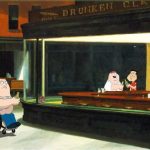
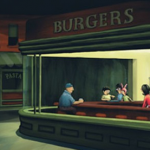
The remixes always intrigue me because a central tenet of the original painting, at least a generally accepted one, is urban isolation â these are strangers thrown together by chance, alone even in a city full of people, because of the time and the place and, implied, because of who they are. Even the man and woman, who could conceivably be there together, arenât looking at each other. Thereâs a warmth to the painting but itâs the warmth of physical shelter, not of community. At least, not chosen community.Â
But if you look at the remixes, many of them are specifically about community and intimacy. That second painting I believe is the date-night scene from That 70s Show, which means the man and woman are an older married couple. Most of the others are either intimately associated (Bogart, Monroe, Dean, and Presley all serve as an era-specific touchstone) or pre-existing quasi-family groups (CSI, Family Guy, Bobâs Burgers, Cowboy Bebop, Star Trek). The Simpsons characters Iâm less familiar with but I donât think theyâre a âcommunityâ â though they are remixed to be seated in a facing configuration, which indicates more connection than side-by-side would. The lego remix is a bit constrained by its media, but the people in it are crowded together and smiling. The Tick remix is really the only one that retains the sense of urban isolation to its fullest.
Iâm not trying to criticize anyone for âgetting it wrongâ because I donât believe they did â the whole point of a remix is to add new meaning, and anyway you could debate Nighthawks forever, there is no one right meaning for art. The reason I point out the shift is that I think it shows our basic human yearning for connection â that we see this spectacular painting and its haunting image of solitude among the masses, and we rebuild it in the image of family.Â
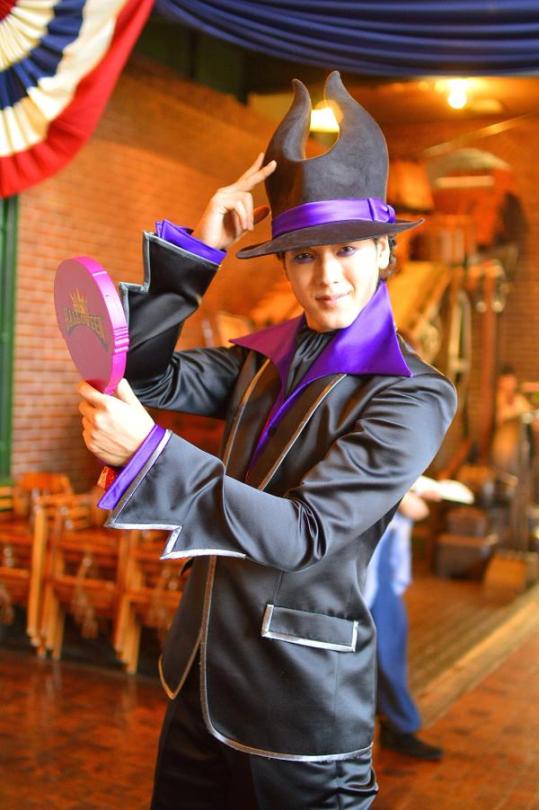
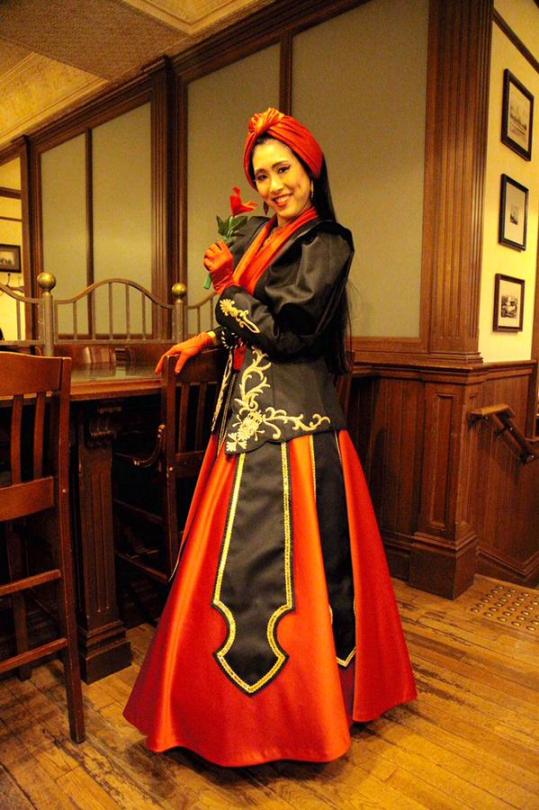
Hereâs the basics. The big villains of the disney movies have invited mickey and the crew to join them for halloween. Meanwhile, the villains have sent out ârecruitersâ to get the guests to join the villainâs side!
Here are the recruiters, because theyâre amazing and already are amassing a fanbase (plus I want to draw them). Iâve only got a few of their names, so I wrote the ones I knew.
Eight Foot Joe (Ursula):Â
Apple Poison (Evil Queen):Â
Jack of Hearts (Queen of Hearts):
(Cruella DeVille):
Malefi (Maleficent):
Veil (Frollo):
(Hades):
(Captain Hook):Â
(Scar):
(Jafar):
If yâall know any of the names I donât, please put them!
how to have soft hair: so you know the part of the shower you spend staring into the indeterminable void, so far gone into nothingness that you almost expect it to reply, fully aware of the improbability of our continued existence, dazzled and terrified by the otherworldly creatures moving in a plane beyond ours, wondering if youâre imagining the black claws closing in around you? you put the conditioner in your hair before that
âParticularly prone to serious procrastination problems are children who grew up with unusually high expectations placed on themâŠor else they exhibited exceptional talents early on, and thereafter âaverageâ performances were met with concern and suspicion from parents and teachers.â
Holy SHIT
WELL THEN
Yep.
They actually tested me for a learning disability in high school because I was consistently failing math.
They discovered that I actually scored in the 80th percentile in that sort of learning.
Problem was, in every other subject, I was in the 99.8th percentile.
I had never learned how to study because I never needed toâand then, when something proved to be even the slightest bit challenging, my brain went
âLOL nope this is impossible abortâ
Meanwhile, this entire time Iâm scraping by in subjects like English. The assignments I did turn in, Iâd score top marksâbut Iâd avoid turning in projects I didnât think were âgoodâ enough.
Essentially, my brain had two settings: â100%â or â0%â.
This sort of Baby Genius shit makes kids and adolescents neurotic and self-destructive.
We learned about this in Child Development. And we learned to reward hard work and not good job. Like donât say to a child, âoh you are so smart.â Say âOh did worked so hard.â
Be proud of the child, not the achievement.
Decades of research have been done on this by Dr. Carol Dweck. When the emphasis is placed on effort (a factor people can control) rather than talent (an innate skill), itâs a lot easier to see mistakes as a learning opportunity rather than something you just wonât ever be good at. And kids who were encouraged by effort were also more willing to take on more challenging work and considered it a lot more fun, while the kids who were praised for their intelligence were reluctant to put themselves in a situation where they might lose that identifier as a âsmart kidâ by making mistakes, so they preferred to do work they were confident they could master. Also, the kids praised for effort wanted to compare their results to kids who got higher scores, to see where they made their mistakes, while those praised for intelligence wanted to compare their results to kids who scored lower, to reassure themselves.
Not only does this set up âsmartâ students for a lot of trouble when they enter college and start being regularly challenged, the effects last long beyond that. It can be very hard for the âyouâre so smart!â kids to unlearn as they become adults and struggle with even common adult things, and are afraid to ask for help because of that lesson they learned from misguided praise that they are supposed to be smart and supposed to know the answers.Â
âŠHonestly +1 here.  Itâs very well researched and documented and yeah.  Making the emphasis on âYou succeed and we are proud of you b/c you are SMART as an intrinsic quality!â makes failure/setbacks/difficulty -TERRIFYING- b/c if youâre âsmartâ it doesnât happen and if you fail that means youâre not smart and thatâs what everyoneâs drilled into you as your main point of worth.
And the rates of anxiety disorders among âgifted studentâ kids are kinda horrifying. Â Â
This is why âyouâre so smartâ means absolutely nothing to me any more. Itâs used as punishment as often as itâs used as praise.Â
#i hate how real this post is
fucking same
yeah add this to the list of âshit Iâm struggling withâ
Well goddammit, this sure explains a ton of my neuroses.
“Has potential but doesn’t apply herself.” – every midterm evaluation I got from first grade on